Less time looking for data
Evidence organized by asset, element and date.

The Web Digital Twin links inspections, images, sensors and satellite data to the asset model. From the inspection campaign to the action, the platform organizes the process and leaves technical validation to engineering.
Select a step.
The result guides the next campaign
Assets, regions, methods, intervals and owners are defined in the model context. History and criticality help choose the spans that need attention, and configurable checklists cover everything from visual assessment to specialized tests. The team sees what is scheduled, what has been covered and what is still open.
Select a source to see what it adds. The lines show data association, not a probability of failure.
See the anomaly on the element and compare campaigns.
AI can suggest a class; the professional confirms.
Conventional and drone photographs help observe decks, beams, piers, bearings and hard-to-reach regions. Each image can be reviewed on the matching element and campaign. AI screens images according to the context it was configured for; the inspector or engineer confirms, corrects or discards the suggestion before it enters the technical assessment.
History, criticality and recent signals help direct the next campaign.
Sources highlighted in the graph: Structural model, Inspection and GPR, Risk and actions
Illustrative answers about how the platform is used; they are not an analysis of a real asset.
Evidence organized by asset, element and date.
Signals from different methods seen in the same context.
Criterion, owner, deadline and result linked to the history.
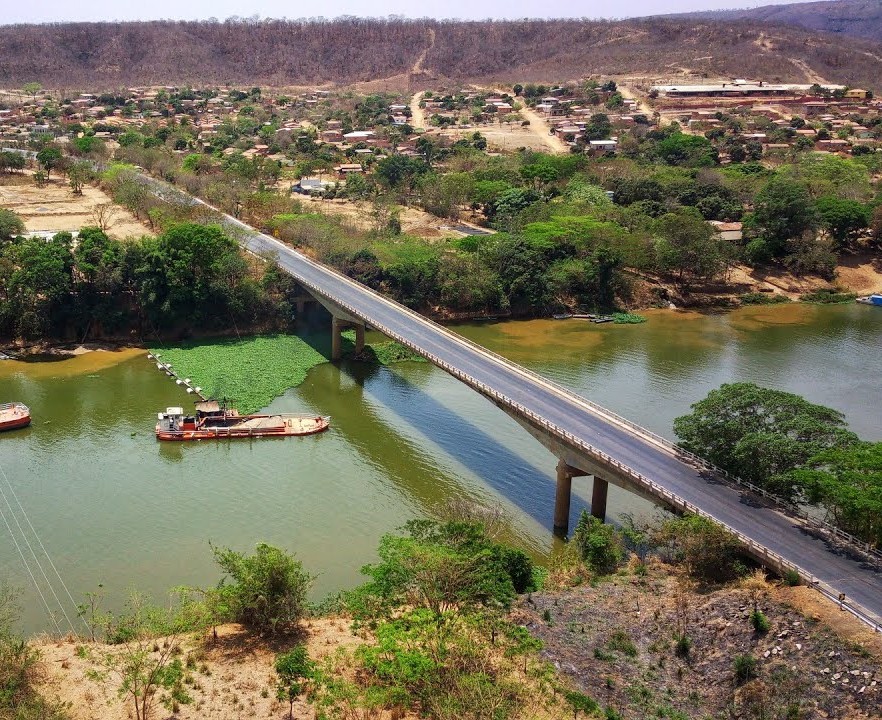
On the Rio das Velhas Bridge, a pilot with DNIT brought a 4D model, inspections, sensors and InSAR series into the Web Digital Twin. The experience showed the value of relating evidence and actions on the same asset.
View cases →AI suggests a screening of the images. A professional validates the location, type and relevance of the finding before any decision.
It can locate reinforcement and estimate cover; it does not directly measure corrosion or the remaining section of the bar.
The direct measurement is along the line of sight. A vertical component can only be interpreted when geometry and processing allow it.
A first case can use the history and inspections of one priority asset. New sources are added as the technical question and criticality require.