
While the concept of a digital twin has been around since 2002, it’s only thanks to the Internet of Things (IoT) that it has become cost-effective to implement. And, it is so imperative to business today, it was named one of Gartner’s Top 10 Strategic Technology Trends for 2017.
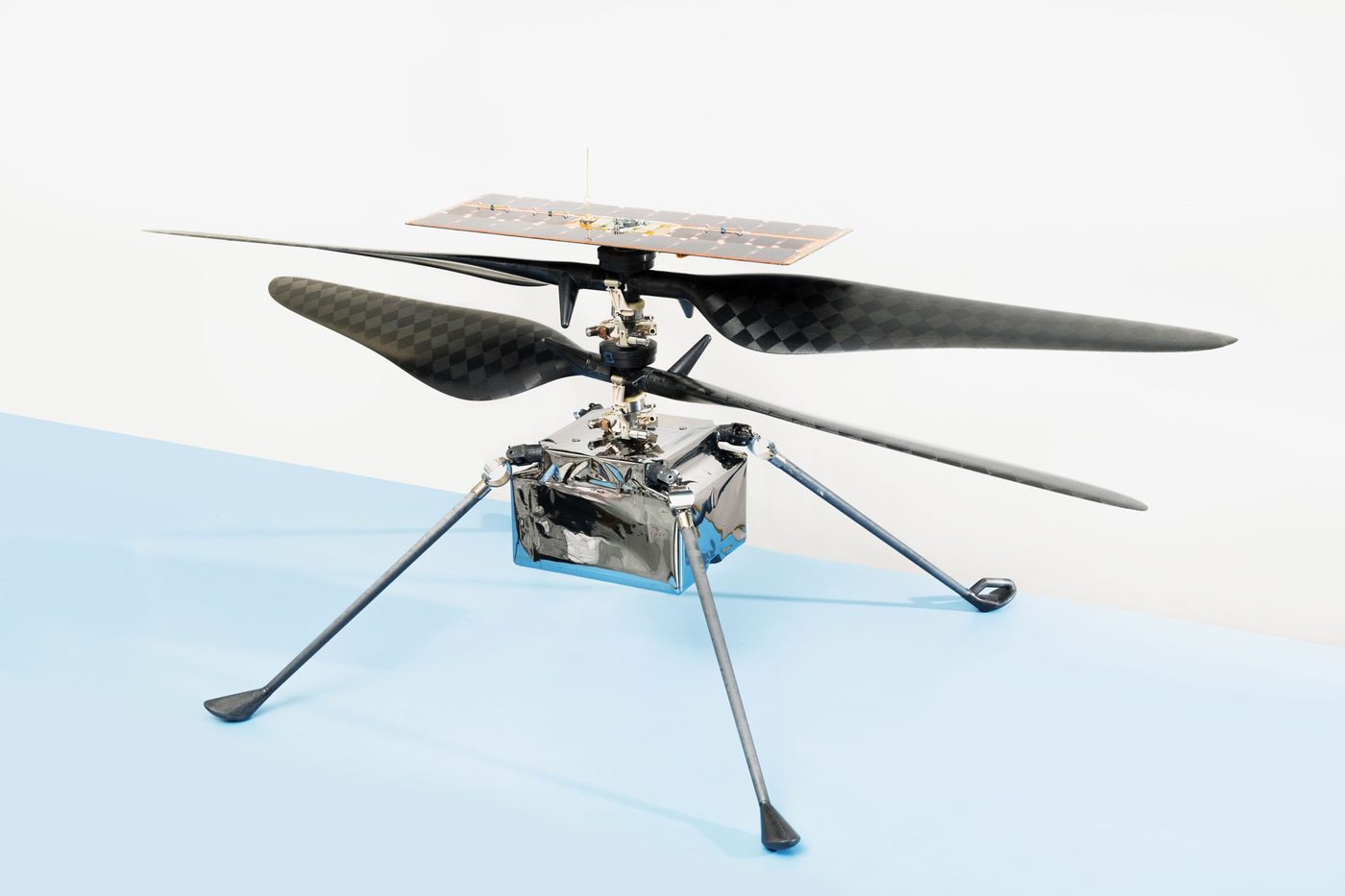
Quite simply, a digital twin is a virtual model of a process, product or service. This pairing of the virtual and physical worlds allows analysis of data and monitoring of systems to head off problems before they even occur, prevent downtime, develop new opportunities and even plan for the future by using simulations. Thomas Kaiser, SAP Senior Vice President of IoT, put it this way: “Digital twins are becoming a business imperative, covering the entire lifecycle of an asset or process and forming the foundation for connected products and services. Companies that fail to respond will be left behind.” How does a digital twin work? Think of a digital twin as a bridge between the physical and digital world. First, smart components that use sensors to gather data about real-time status, working condition, or position are integrated with a physical item. The components are connected to a cloud-based system that receives and processes all the data the sensors monitor. This input is analyzed against business and other contextual data. Lessons are learned and opportunities are uncovered within the virtual environment that can be applied to the physical world — ultimately to transform your business. Pairing technology pioneered in aerospace NASA was the first to dabble with pairing technology — the precursor to today’s digital twin — as far back as the early days of space exploration.
I write books, deliver keynote presentations and provide expert advice on big data, analytics, metrics and improving business performance. I have helped many of the world’s leading companies and governments on how to answer their most critical business questions using data a…
Bernard Marr is a best-selling author & keynote speaker on business, technology and big data. His new book is Data Strategy. To read his future posts simply join his network here.